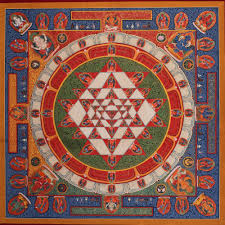
Tantra, what is it, what are the benefits and the history of Tantra and Tantric massage

Tantra:  What is Tantra, a guide to all things Tantra and it’s history, A Comprehensive Exploration of Tantra in London and Dubai and a world overview

Tantra is a complex and multi-faceted spiritual tradition that has evolved over millennia, originating in India and influencing spiritual practices across Asia and beyond. To truly appreciate the richness of Tantra, one must move beyond the common misperceptions of it being solely associated with esoteric sexuality or exotic rituals. Tantra is, at its core, a vast and diverse system of spiritual philosophy and practice that encompasses metaphysics, yoga, meditation, ritual, and theology.

Having studied Tantra in India under the guidance of scholars and practitioners from both Hindu and Buddhist traditions, I aim to present an informed, nuanced understanding of Tantra. This article will cover its historical roots, philosophical foundations, key texts, rituals, and its impact on modern spiritual practices.

1. Historical Origins of Tantra

The roots of Tantra can be traced to ancient India, with its earliest influences emerging around the 5th to 6th centuries CE. The term “Tantra” itself is derived from the Sanskrit root tan, meaning to weave, expand, or stretch. This etymology reflects the all-encompassing nature of Tantra as a system that weaves together a vast range of spiritual practices, cosmological ideas, and ritual technologies. Tantra developed within both Hindu and Buddhist traditions, with parallel streams evolving in these two religions.

Hindu Tantra, primarily associated with Shaivism (devotees of the god Shiva), Shaktism (worship of the Goddess, or Shakti), and Vaishnavism (devotees of Vishnu), began as a response to more orthodox Vedic rituals. Tantra promised a direct, embodied experience of the divine, placing an emphasis on personal transformation rather than mere ritualism.

On the other hand, Buddhist Tantra, also known as Vajrayana or Tantric Buddhism, developed as a response to earlier Mahayana Buddhist teachings. It emphasized swift enlightenment through the use of symbolic rituals, meditation, and visualization techniques involving deities and mandalas.

2. Key Texts and Scriptures

Tantric literature is vast and diverse, encompassing a range of texts that were written over many centuries. These include Tantras, Agamas, Nigamas, and a variety of commentarial works. Some of the most important Hindu Tantric texts include the Vijnana Bhairava Tantra, Rudra Yamala Tantra, Kularnava Tantra, and the Mahanirvana Tantra.

In Buddhist Tantra, key texts include the Hevajra Tantra, Kalachakra Tantra, and the Guhyasamaja Tantra. These texts form the basis for much of the Tantric philosophy and practice in Vajrayana Buddhism. They describe intricate meditation techniques, rituals, and cosmological views that aim to bring the practitioner closer to enlightenment.

A unique feature of Tantric texts is that they often defy conventional categorization. Unlike Vedic texts, which tend to be highly formalized, Tantric scriptures are frequently non-linear, highly symbolic, and written in a coded or metaphorical language that requires initiation by a qualified guru to be understood.

3. Philosophical Foundations

At its heart, Tantra offers a non-dualistic worldview. In contrast to many other spiritual traditions that view the material world as a distraction from the spiritual, Tantra asserts that the physical and spiritual realms are not separate but are intertwined. The universe itself is seen as a manifestation of divine consciousness. In the Hindu Tantric tradition, this is represented by the union of Shiva (pure consciousness) and Shakti (creative energy). Everything in existence is an interplay of these two fundamental forces.

The human body, in Tantra, is viewed as a microcosm of the universe, and thus is a central focus of practice. Rather than renouncing the body and the material world, as many ascetic traditions advocate, Tantra encourages the practitioner to use the body as a vehicle for spiritual realization. Through various yogic practices, breath control (pranayama), and the manipulation of subtle energies within the body (kundalini), one can awaken latent divine potential.

In Buddhist Tantra, the principle of non-duality is also prominent. The practitioner works with various forms of energy and visualizations, aiming to recognize the emptiness of all phenomena, while simultaneously engaging with the world in a skillful and compassionate manner. In both traditions, enlightenment is not seen as an escape from the world but rather as a profound transformation of one’s perception of reality.

4. Rituals and Practices

Tantric practice is both deeply personal and highly ritualized. Rituals in Tantra often involve the use of specific mantras (sacred sounds), mudras (symbolic hand gestures), and yantras (geometric designs used for meditation). These rituals are designed to invoke divine energies and channel them within the practitioner.

One of the most well-known aspects of Tantra is the concept of kundalini awakening. Kundalini is described as a latent spiritual energy that lies coiled at the base of the spine. Through yogic practices and meditation, this energy can be awakened and guided through the chakras (energy centers) of the body, leading to expanded states of consciousness and ultimately enlightenment.

In Hindu Tantra, rituals frequently involve the worship of deities, especially in their feminine forms as aspects of the Goddess, or Shakti. Devotees may perform pujas (ceremonial offerings), fire rituals (homas), and recitation of mantras to honor and connect with these divine energies.

Buddhist Tantra, on the other hand, incorporates intricate visualization practices in which the practitioner meditates on themselves as a deity (often referred to as yidam), engaging in a profound process of internal transformation. This process, known as deity yoga, is central to Vajrayana practice and is considered one of the most effective means of attaining Buddhahood.
5. The Role of the Guru

Central to Tantric practice is the relationship between the student and the guru (spiritual teacher). The guru is considered not just a teacher but a living embodiment of the divine. The transmission of knowledge, or shaktipat, from the guru to the student is essential for progress on the Tantric path. Initiation, or diksha, is a key rite of passage that empowers the student to engage in Tantric practices. Without proper initiation and guidance, it is believed that the potent energies of Tantra could lead to spiritual disorientation.
The emphasis on the guru-student relationship is especially strong in Tibetan Buddhist Tantra. The student not only learns techniques from the guru but also receives blessings and empowerment through ritual transmission. These empowerments enable the practitioner to engage in deity yoga, mantra recitation, and other advanced practices.

6. Tantra and Sexuality: Misconceptions and Reality

One of the most enduring misconceptions about Tantra, especially in the West, is that it is primarily focused on sexual practices. While it is true that some Tantric traditions (especially in the Kaula sect) integrate sexuality as a sacred practice, this is only a small part of the broader Tantric system. Sexuality in Tantra is viewed as one of many potential paths to awakening, and it is approached with reverence and discipline.

The sexual rites, or maithuna, are just one element of the so-called “Five Ms” (panchamakara), which include meat (mamsa), fish (matsya), wine (madya), parched grain (mudra), and sexual union (maithuna). These practices are considered secret and are only performed by initiated practitioners who have undergone extensive spiritual preparation.

The symbolic meaning behind these practices is far more important than the literal acts. Tantra teaches that enlightenment can be found in the very aspects of life that are often shunned or repressed, such as desire and the body. By transmuting these energies, the practitioner can achieve a state of divine union.

7. Tantra in the Modern World

Tantra has experienced a resurgence in the modern world, especially in the West, where it has been popularized by New Age movements. However, much of what is marketed as “Tantra” in contemporary spiritual circles focuses on its sexual aspects, often divorced from the rigorous philosophical and ritualistic foundations that are essential to its traditional practice.

In India, Tantra continues to be practiced in various forms, from the esoteric rites of ascetic yogis in remote temples to the household rituals of devotees. Meanwhile, Tibetan Buddhist Tantra has gained significant global recognition, largely due to the efforts of teachers like the Dalai Lama and other exiled Tibetan monks who have spread Vajrayana teachings worldwide.

Conclusion

Tantra is an intricate, powerful spiritual tradition that transcends simplistic definitions. It offers a holistic view of the universe, seeing the divine in all aspects of existence—whether material, mental, or spiritual. Its practices, whether meditative, ritualistic, or philosophical, are designed to integrate these different dimensions of being, leading the practitioner to a profound state of unity with the cosmos.

While many aspects of Tantra remain shrouded in secrecy and require years of disciplined practice, its core message is accessible: the path to enlightenment is not about renouncing the world but embracing it fully, transforming every experience into an opportunity for spiritual growth.

As scholars and practitioners, it is essential to approach Tantra with the respect and depth it deserves, moving beyond superficial interpretations to engage with its profound and fascinating teachings.

To book a Tantra massage or Yoga experience  London

00447904672356

WhatsApp for Genuine London Tantra

Telegram Dubai Contact

Please message Tantra professional

http://T.me/beautifulukmassage

Tantra Massage Spa and professional Massage in Dubai

Beautiful UK Spa and European Tantra spa

http://beautifulukspa.com

Tantra Massage Dubai

Tantra massage Dubai 2021

Tantra, what is it, what are the benefits and the history of Tantra and Tantric massage

Tantra:  What is Tantra, a guide to all things Tantra and it’s history, A Comprehensive Exploration of Tantra in London and Dubai and a world overview

Tantra is a complex and multi-faceted spiritual tradition that has evolved over millennia, originating in India and influencing spiritual practices across Asia and beyond. To truly appreciate the richness of Tantra, one must move beyond the common misperceptions of it being solely associated with esoteric sexuality or exotic rituals. Tantra is, at its core, a vast and diverse system of spiritual philosophy and practice that encompasses metaphysics, yoga, meditation, ritual, and theology.

Having studied Tantra in India under the guidance of scholars and practitioners from both Hindu and Buddhist traditions, I aim to present an informed, nuanced understanding of Tantra. This article will cover its historical roots, philosophical foundations, key texts, rituals, and its impact on modern spiritual practices.

1. Historical Origins of Tantra

The roots of Tantra can be traced to ancient India, with its earliest influences emerging around the 5th to 6th centuries CE. The term “Tantra” itself is derived from the Sanskrit root tan, meaning to weave, expand, or stretch. This etymology reflects the all-encompassing nature of Tantra as a system that weaves together a vast range of spiritual practices, cosmological ideas, and ritual technologies. Tantra developed within both Hindu and Buddhist traditions, with parallel streams evolving in these two religions.

Hindu Tantra, primarily associated with Shaivism (devotees of the god Shiva), Shaktism (worship of the Goddess, or Shakti), and Vaishnavism (devotees of Vishnu), began as a response to more orthodox Vedic rituals. Tantra promised a direct, embodied experience of the divine, placing an emphasis on personal transformation rather than mere ritualism.

On the other hand, Buddhist Tantra, also known as Vajrayana or Tantric Buddhism, developed as a response to earlier Mahayana Buddhist teachings. It emphasized swift enlightenment through the use of symbolic rituals, meditation, and visualization techniques involving deities and mandalas.

2. Key Texts and Scriptures

Tantric literature is vast and diverse, encompassing a range of texts that were written over many centuries. These include Tantras, Agamas, Nigamas, and a variety of commentarial works. Some of the most important Hindu Tantric texts include the Vijnana Bhairava Tantra, Rudra Yamala Tantra, Kularnava Tantra, and the Mahanirvana Tantra.

In Buddhist Tantra, key texts include the Hevajra Tantra, Kalachakra Tantra, and the Guhyasamaja Tantra. These texts form the basis for much of the Tantric philosophy and practice in Vajrayana Buddhism. They describe intricate meditation techniques, rituals, and cosmological views that aim to bring the practitioner closer to enlightenment.

A unique feature of Tantric texts is that they often defy conventional categorization. Unlike Vedic texts, which tend to be highly formalized, Tantric scriptures are frequently non-linear, highly symbolic, and written in a coded or metaphorical language that requires initiation by a qualified guru to be understood.

3. Philosophical Foundations

At its heart, Tantra offers a non-dualistic worldview. In contrast to many other spiritual traditions that view the material world as a distraction from the spiritual, Tantra asserts that the physical and spiritual realms are not separate but are intertwined. The universe itself is seen as a manifestation of divine consciousness. In the Hindu Tantric tradition, this is represented by the union of Shiva (pure consciousness) and Shakti (creative energy). Everything in existence is an interplay of these two fundamental forces.

The human body, in Tantra, is viewed as a microcosm of the universe, and thus is a central focus of practice. Rather than renouncing the body and the material world, as many ascetic traditions advocate, Tantra encourages the practitioner to use the body as a vehicle for spiritual realization. Through various yogic practices, breath control (pranayama), and the manipulation of subtle energies within the body (kundalini), one can awaken latent divine potential.

In Buddhist Tantra, the principle of non-duality is also prominent. The practitioner works with various forms of energy and visualizations, aiming to recognize the emptiness of all phenomena, while simultaneously engaging with the world in a skillful and compassionate manner. In both traditions, enlightenment is not seen as an escape from the world but rather as a profound transformation of one’s perception of reality.

4. Rituals and Practices

Tantric practice is both deeply personal and highly ritualized. Rituals in Tantra often involve the use of specific mantras (sacred sounds), mudras (symbolic hand gestures), and yantras (geometric designs used for meditation). These rituals are designed to invoke divine energies and channel them within the practitioner.

One of the most well-known aspects of Tantra is the concept of kundalini awakening. Kundalini is described as a latent spiritual energy that lies coiled at the base of the spine. Through yogic practices and meditation, this energy can be awakened and guided through the chakras (energy centers) of the body, leading to expanded states of consciousness and ultimately enlightenment.

In Hindu Tantra, rituals frequently involve the worship of deities, especially in their feminine forms as aspects of the Goddess, or Shakti. Devotees may perform pujas (ceremonial offerings), fire rituals (homas), and recitation of mantras to honor and connect with these divine energies.

Buddhist Tantra, on the other hand, incorporates intricate visualization practices in which the practitioner meditates on themselves as a deity (often referred to as yidam), engaging in a profound process of internal transformation. This process, known as deity yoga, is central to Vajrayana practice and is considered one of the most effective means of attaining Buddhahood.

5. The Role of the Guru

Central to Tantric practice is the relationship between the student and the guru (spiritual teacher). The guru is considered not just a teacher but a living embodiment of the divine. The transmission of knowledge, or shaktipat, from the guru to the student is essential for progress on the Tantric path. Initiation, or diksha, is a key rite of passage that empowers the student to engage in Tantric practices. Without proper initiation and guidance, it is believed that the potent energies of Tantra could lead to spiritual disorientation.

The emphasis on the guru-student relationship is especially strong in Tibetan Buddhist Tantra. The student not only learns techniques from the guru but also receives blessings and empowerment through ritual transmission. These empowerments enable the practitioner to engage in deity yoga, mantra recitation, and other advanced practices.

6. Tantra and Sexuality: Misconceptions and Reality

One of the most enduring misconceptions about Tantra, especially in the West, is that it is primarily focused on sexual practices. While it is true that some Tantric traditions (especially in the Kaula sect) integrate sexuality as a sacred practice, this is only a small part of the broader Tantric system. Sexuality in Tantra is viewed as one of many potential paths to awakening, and it is approached with reverence and discipline.

The sexual rites, or maithuna, are just one element of the so-called “Five Ms” (panchamakara), which include meat (mamsa), fish (matsya), wine (madya), parched grain (mudra), and sexual union (maithuna). These practices are considered secret and are only performed by initiated practitioners who have undergone extensive spiritual preparation.

The symbolic meaning behind these practices is far more important than the literal acts. Tantra teaches that enlightenment can be found in the very aspects of life that are often shunned or repressed, such as desire and the body. By transmuting these energies, the practitioner can achieve a state of divine union.

7. Tantra in the Modern World

Tantra has experienced a resurgence in the modern world, especially in the West, where it has been popularized by New Age movements. However, much of what is marketed as “Tantra” in contemporary spiritual circles focuses on its sexual aspects, often divorced from the rigorous philosophical and ritualistic foundations that are essential to its traditional practice.

In India, Tantra continues to be practiced in various forms, from the esoteric rites of ascetic yogis in remote temples to the household rituals of devotees. Meanwhile, Tibetan Buddhist Tantra has gained significant global recognition, largely due to the efforts of teachers like the Dalai Lama and other exiled Tibetan monks who have spread Vajrayana teachings worldwide.

Conclusion

Tantra is an intricate, powerful spiritual tradition that transcends simplistic definitions. It offers a holistic view of the universe, seeing the divine in all aspects of existence—whether material, mental, or spiritual. Its practices, whether meditative, ritualistic, or philosophical, are designed to integrate these different dimensions of being, leading the practitioner to a profound state of unity with the cosmos.

While many aspects of Tantra remain shrouded in secrecy and require years of disciplined practice, its core message is accessible: the path to enlightenment is not about renouncing the world but embracing it fully, transforming every experience into an opportunity for spiritual growth.

As scholars and practitioners, it is essential to approach Tantra with the respect and depth it deserves, moving beyond superficial interpretations to engage with its profound and fascinating teachings.

To book a Tantra massage or Yoga experience  London

00447904672356

WhatsApp for Genuine London Tantra

Telegram Dubai Contact

Please message Tantra professional

http://T.me/beautifulukmassage

Tantra Massage Spa and professional Massage in Dubai

Beautiful UK Spa and European Tantra spa

http://beautifulukspa.com

Tantra Massage Dubai

Tantra massage Dubai 2021

What is Tantra, Tantra massage and where does Tantra come from. Types of Tantric Meditation Yoga and Shaivism.

.. The Heart, says Abhinavagupta, is the very Self of Siva, of Bhairava, and of the Devi, the Goddess who is inseparable from Siva. Indeed, the Heart is the site of their union, of their embrace, and it is the abode of pure consciousness as well as unlimited bliss.

Nature consciousness Tantra and Spirituality

Tantra spirituality, Yoga and origins of Tantra, (More than just a Tantric massage and love life techniques!)

While In Dubai this year at a very beautiful high profile Indian society wedding in Dubai marina, I was asked to run a 2 day introduction to the secrets of Tantra for the happy couple and their future marital bliss. We held an afternoon tea lecture on the highest Tantra Yantra Shaivism. Here are a few words to introduce the subject.

Yoga in the Himalaya Yoga Kashmir retreat

TANTRA YANTRAS MANTRAS ORIGINS OF TANTRA AND TANTRIC MASSAGE

Shakti consort of Shiva Goddess figure healing deity

“Kundalini Shakti is the concealing and revealing..

Tantra spirituality Yoga and origins of Tantra, (More than just a Tantric massage and love life techniques!)

TANTRA YANTRAS MANTRAS & MASSAGE

Shaivism “Kundalini Shakti is the concealing and revealing energy of Lord Shiva. Para (supreme) Kundalini is the heart and existence of Shiva, in fact it is the life and glory of Shiva, it is Shiva ” ….Tantra in the advanced texts and Yantras, is known by scholars as Kashmir Shaivism it is a Tantric work and one of the writings and texts that make up Tantra and it’s Sister Yogas and the healing arts of Ayurvedic. Some are merged into Tantric massage movement and all its dubious connotations. Others are the ultimate guide to meditation, visualisation, and can be a great gift to anyone’s self development, empowerment and also give peace and positivity in a similar way to Buddhism.

Tantra has also a unique part of the writings the deal with love sensuality and sexuality, but this is only a small part Tantra

Shaivism Tantra considered the highest and most valuable of the Tantric yoga philosophyby some. Overview of their understanding on ourselves and Universe, life nature and living a more happier connected life with the knowledge to be more energised spiritually aware and with methods to increase your power and vitality.

Tantra Mantra art in Nepal


TANTRIC KNOWLEDGE

Tantra works., or Yantras, sub divided into writings etc. such as the Shavism ones and others involving methods of Meditation, powerful visualisations, contemplation and spiritually focused Yoga asanas while in meditation. With a small valuable body of texts on sexuality through the God figure of Shiva and his consort Shakti……Kashmir Shaivism is a philosophy of non-dualism or monism, can be understood that we are all one with God, and we are not separate from each other, linked as a whole, there is only Universal total Consciousness. The God Shiva in the Hindu tradition is a name given to that. The fact that we look separate from each other is an illusion, we are simply individual examples and entities or expressions of a greater Universal Consciousness powerful energy. Could be understood as Mother earth as a consciousness..

TANTRA YOGA SPIRITUALITY

This Tantric yoga philosophy provides techniques designed help you experience this greater consciousness to full feel more linked to all others and to enjoy your life more and feel better about yourself and expand your awareness and to some how tap into that greater energy and all its benefits to yourself esteem and happiness and how you live your life and a more fulfilled way. It is a practical system that uses many techniques of positive thinking and Yoga with many methods similar to other forms of Yoga but closely linked to newer firms of Kriya and Kundalini Yoga.

SHAKTI SHIVA GOD AND GODDESS IN TANTRA

The role play in Tantra is closely linked to the works of the Shakti, (A Goddess figure), who has the power to awaken your Kundalini! or awaken your potential energy

In Tantra, the male and female a feel are linked as one consiousness and join the great consciousnes almost a duality of both and one as a whole.

In Shaivism..more detail was expanded under monoism that by having union with Shakti the Shiva would process the energy of Shakti. Gateway to advanced heightened consciousness. In separate Writings, also translated from the Sanskrit, regarding Philosophy of Tantra. We find they had also developed. Various techniques which heightened Kundalini and they used power or the orgasm and senses of touch to stimulate the awakening.

The performance and joining of Shiva with Shakti had powerful secret techniques which aided a heightened awareness. Many techniques were semi translated in the Karmasutra and other texts. Some were blended later in other practises in the Himalaya. Vajarana Buddhism and as far as China with their own development in Taoism of the use of orgasmic energy to lengthen life span and the male virility must be fed with a longer orgasm and powerful methods to delay the release or ejaculation.


WHAT IS KUNDALINI YOGA , TANTRIC SENSUALITY, TANTRA NOT INVOLVED ONLY IN PEACEFUL BELIEF AND RELAXATION OF THE SOUL

Kundalini is one of the forms of yoga – along with AshTanga Kriya Yoga etc. the science of Kundalini Yoga was highly cloaked in secrecy, and was brought to the West and the US with Yogi Bhajan. Kundalini is also another word for life force energy.


KUNDALINI


“Kundalini is often visualised as a “coiled” energy waiting to uncoiled. and pictured as snake at the base of your spine or Mudha bandha region one of the 7 Chakras parts of your body.”


In Tantra and Kundalini Yoga practice we focus in releasing opening awakening your energy, pictured as your snake and release the flow of energy and opening your world to the infinity.of potentiality positive energy. Tantra meditation Kundalini Yoga and the meditation energy practise of Kashmiri Shaivism. You can join your individual consciousness with your partner and reach the Universal Consciousness energy.

KUNDALINI YOGA

Benefits of Kundalini Yoga or the Tantra path are improved health, fitness strength, gaining a rebalanced mindset, happiness and peaceful acceptance of who you are and your potentiality and positive outlook bringing huge benefits to you or your partner in life work and home life.

TANTRA SIMPLIFIED VERSION

Is A philosophy and a set of beliefs, Ideology and is one of the trifecta of Yoga and Ayurveda. Ideology and Philosophy of Spirtual practice meditation. Tantra is also more focused on the power of the person and joining to greater consciousness as a matrix of energy.


Many texts have been written about Tantra, and the knowledge disseminated by people such as Somananda. 900 ad. Later the famous guru among others Osho. OSHO Translated more of the texts on spirituality and sexuality in the 1970s.

Sanskrit Tantra and writings have been also translated in Oxford University and many institutions, with many scholars working a life time on this. Very small part of these writings and knowlege were anything to do with sexuality! Many Scholars get very annoyed when ignorant people think that that they are some cult movement writing and carrying out some Karamsutra techniques.


TANTRA IS MISUNDERSTOOD


Tantra is often misunderstood! The West only borrowed a small valuable part of the whole body of works texts and Yoga… Maybe less than ten percent were to do with Sexuality.

TANTRIC SEX AND MASSAGE

The West from the 1900s onwards were interested in spirituality, Buddhism, Jaianism, Yoga, Taoism et al. The writings that were concerned with secret techniques of energy and fabled texts above advanced magical practices to improve your libido, performance and your marital life clearly took hold and were far more interesting the layman, or general reader, resulting in a huge rising in people getting to hear about Tantra. 1960s with the rise of the new age movements, and people travelling to India to learn new methods to cope with the modern day world, and the need to find spiritual solice. Clearly Tantra and the various forms of Yoga and all the mystery that surrounds them became very popular indeed.

Tantra with its element of Sensuality, and some of its Shakti and Shiva ancient techniques, practical advice, answers and practical methods quickly became more interesting and popularised.

NEO TANTRA, WESTERN TANTRA MASSAGE

1980s had various celebrities bragging about their sex life and the teachings they had experienced in India. The OSHO movement in the US. Ananda Sarita, Mantak Chia and the new age blending of Tantra, Taoism, Native American Indian Spirituality, Buddhism and the Tantra Mantras of Nepal and so on and so forth became a homogenous mass. For the layman in the street it’s all very confusing but they remember only the fun part regarding sexuality and not the rest.

AUTHENTIC TANTRA SPIRITUAL TEACHINGS AND TANTRA HEALING V.. FAKE VIRAL TREND OF FAKE TANTRA MASSAGE.


2000 to 2019. The rise of You Tube. The danger of misformation and viral trends, suddenly the word “Tantra” was adopted by the sex industry with thousands of escorts and massage parlours claiming “Oooooh we do Taaaantra” sadly none of them know what Tantra is, what it represents. They copy paste “Tantra and Massage” or convert whole escort sites to saying “Tantra Massage” In a recent survey by Tantra Yoga Society… found less than 3 percent had any training and certification or knowlege! Very seriously Tantra was becoming a shady unregulated industry some based on direct fraud.


people thinking Tantra is only concerned with Sex! In places like Dubai whole websites are blocked just because they mention “Tantra”! and escorts routinely use the word without any training as a trend for for call girls!. So the whole word is being tainted .

People often forget they have the Tantra spiritual path as a way of life in Nepal and in the Buddhist monastery, What Tantra actually is.


CHOOSE GENUINE TANTRA ONLY

Yes there is a genuine Tantra Massage, closely connected with Healing Ayurvedic therapy massage. Yes there are some secret texts and writings concerned, with Tantra Kundalini sensual touch and massage, yes there are the beautiful Indian Chakra dances that have a Tantra origin. Certainly there is a sensual method to massage increase libido and orgasm with out even direct stimulation, and yes there are secret and almost magical techniques to bring you to your love life.. not just the Karmasutra. It is not the whole meaning of Tantra! Also all those adverts for sexy Tantra in the West very few are genuine.

TANTRA AND AYURVEDIC MASSAGE ONLY

Conservative countries Dubai

Not involved with removing clothes and not sexual. White Kundalini Yoga and White Tantra. This is a massage suitable for spas and conforms to regulations in Dubai UAE or any conservative country with family values. This type is suitable for Dubai. It is not illegal. Other practices would be not allowed. Sensual form Tantra healing and nurturing can be allowed under license in UK, Germany, Australia and many countries! But does not involve sex at all or coitus or intercourse. A reminder to those confused. Ayurvedic Tantra and White Tantra could be allowed without any other practises of the Sensual Karmasutra or Red version

Always choose a professional licenced therapist or qualified Yoga teacher. Never choose a massage from a site with lingerie galleries, and never take a Tanta massage from anyone who can not explain clearly all the terms history or who has a professional qualification.


Mary Celia

London Tantra Yoga

London Tantra Massage.

Certified Therapist 15 years.


“Kundalini Shakti is the concealing and revealing energy of Lord Shiva. Para (supreme) Kundalini is the heart and existence of Shiva, in fact it is the life and glory of Shiva, it is Shiva ” 


Live Tantra.


Live a Tantra life.. More positivity