Tantra, what is it, what are the benefits and the history of Tantra and Tantric massage

Tantra:  What is Tantra, a guide to all things Tantra and it’s history, A Comprehensive Exploration of Tantra in London and Dubai and a world overview

Tantra is a complex and multi-faceted spiritual tradition that has evolved over millennia, originating in India and influencing spiritual practices across Asia and beyond. To truly appreciate the richness of Tantra, one must move beyond the common misperceptions of it being solely associated with esoteric sexuality or exotic rituals. Tantra is, at its core, a vast and diverse system of spiritual philosophy and practice that encompasses metaphysics, yoga, meditation, ritual, and theology.

Having studied Tantra in India under the guidance of scholars and practitioners from both Hindu and Buddhist traditions, I aim to present an informed, nuanced understanding of Tantra. This article will cover its historical roots, philosophical foundations, key texts, rituals, and its impact on modern spiritual practices.

1. Historical Origins of Tantra

The roots of Tantra can be traced to ancient India, with its earliest influences emerging around the 5th to 6th centuries CE. The term “Tantra” itself is derived from the Sanskrit root tan, meaning to weave, expand, or stretch. This etymology reflects the all-encompassing nature of Tantra as a system that weaves together a vast range of spiritual practices, cosmological ideas, and ritual technologies. Tantra developed within both Hindu and Buddhist traditions, with parallel streams evolving in these two religions.

Hindu Tantra, primarily associated with Shaivism (devotees of the god Shiva), Shaktism (worship of the Goddess, or Shakti), and Vaishnavism (devotees of Vishnu), began as a response to more orthodox Vedic rituals. Tantra promised a direct, embodied experience of the divine, placing an emphasis on personal transformation rather than mere ritualism.

On the other hand, Buddhist Tantra, also known as Vajrayana or Tantric Buddhism, developed as a response to earlier Mahayana Buddhist teachings. It emphasized swift enlightenment through the use of symbolic rituals, meditation, and visualization techniques involving deities and mandalas.

2. Key Texts and Scriptures

Tantric literature is vast and diverse, encompassing a range of texts that were written over many centuries. These include Tantras, Agamas, Nigamas, and a variety of commentarial works. Some of the most important Hindu Tantric texts include the Vijnana Bhairava Tantra, Rudra Yamala Tantra, Kularnava Tantra, and the Mahanirvana Tantra.

In Buddhist Tantra, key texts include the Hevajra Tantra, Kalachakra Tantra, and the Guhyasamaja Tantra. These texts form the basis for much of the Tantric philosophy and practice in Vajrayana Buddhism. They describe intricate meditation techniques, rituals, and cosmological views that aim to bring the practitioner closer to enlightenment.

A unique feature of Tantric texts is that they often defy conventional categorization. Unlike Vedic texts, which tend to be highly formalized, Tantric scriptures are frequently non-linear, highly symbolic, and written in a coded or metaphorical language that requires initiation by a qualified guru to be understood.

3. Philosophical Foundations

At its heart, Tantra offers a non-dualistic worldview. In contrast to many other spiritual traditions that view the material world as a distraction from the spiritual, Tantra asserts that the physical and spiritual realms are not separate but are intertwined. The universe itself is seen as a manifestation of divine consciousness. In the Hindu Tantric tradition, this is represented by the union of Shiva (pure consciousness) and Shakti (creative energy). Everything in existence is an interplay of these two fundamental forces.

The human body, in Tantra, is viewed as a microcosm of the universe, and thus is a central focus of practice. Rather than renouncing the body and the material world, as many ascetic traditions advocate, Tantra encourages the practitioner to use the body as a vehicle for spiritual realization. Through various yogic practices, breath control (pranayama), and the manipulation of subtle energies within the body (kundalini), one can awaken latent divine potential.

In Buddhist Tantra, the principle of non-duality is also prominent. The practitioner works with various forms of energy and visualizations, aiming to recognize the emptiness of all phenomena, while simultaneously engaging with the world in a skillful and compassionate manner. In both traditions, enlightenment is not seen as an escape from the world but rather as a profound transformation of one’s perception of reality.

4. Rituals and Practices

Tantric practice is both deeply personal and highly ritualized. Rituals in Tantra often involve the use of specific mantras (sacred sounds), mudras (symbolic hand gestures), and yantras (geometric designs used for meditation). These rituals are designed to invoke divine energies and channel them within the practitioner.

One of the most well-known aspects of Tantra is the concept of kundalini awakening. Kundalini is described as a latent spiritual energy that lies coiled at the base of the spine. Through yogic practices and meditation, this energy can be awakened and guided through the chakras (energy centers) of the body, leading to expanded states of consciousness and ultimately enlightenment.

In Hindu Tantra, rituals frequently involve the worship of deities, especially in their feminine forms as aspects of the Goddess, or Shakti. Devotees may perform pujas (ceremonial offerings), fire rituals (homas), and recitation of mantras to honor and connect with these divine energies.

Buddhist Tantra, on the other hand, incorporates intricate visualization practices in which the practitioner meditates on themselves as a deity (often referred to as yidam), engaging in a profound process of internal transformation. This process, known as deity yoga, is central to Vajrayana practice and is considered one of the most effective means of attaining Buddhahood.
5. The Role of the Guru

Central to Tantric practice is the relationship between the student and the guru (spiritual teacher). The guru is considered not just a teacher but a living embodiment of the divine. The transmission of knowledge, or shaktipat, from the guru to the student is essential for progress on the Tantric path. Initiation, or diksha, is a key rite of passage that empowers the student to engage in Tantric practices. Without proper initiation and guidance, it is believed that the potent energies of Tantra could lead to spiritual disorientation.
The emphasis on the guru-student relationship is especially strong in Tibetan Buddhist Tantra. The student not only learns techniques from the guru but also receives blessings and empowerment through ritual transmission. These empowerments enable the practitioner to engage in deity yoga, mantra recitation, and other advanced practices.

6. Tantra and Sexuality: Misconceptions and Reality

One of the most enduring misconceptions about Tantra, especially in the West, is that it is primarily focused on sexual practices. While it is true that some Tantric traditions (especially in the Kaula sect) integrate sexuality as a sacred practice, this is only a small part of the broader Tantric system. Sexuality in Tantra is viewed as one of many potential paths to awakening, and it is approached with reverence and discipline.

The sexual rites, or maithuna, are just one element of the so-called “Five Ms” (panchamakara), which include meat (mamsa), fish (matsya), wine (madya), parched grain (mudra), and sexual union (maithuna). These practices are considered secret and are only performed by initiated practitioners who have undergone extensive spiritual preparation.

The symbolic meaning behind these practices is far more important than the literal acts. Tantra teaches that enlightenment can be found in the very aspects of life that are often shunned or repressed, such as desire and the body. By transmuting these energies, the practitioner can achieve a state of divine union.

7. Tantra in the Modern World

Tantra has experienced a resurgence in the modern world, especially in the West, where it has been popularized by New Age movements. However, much of what is marketed as “Tantra” in contemporary spiritual circles focuses on its sexual aspects, often divorced from the rigorous philosophical and ritualistic foundations that are essential to its traditional practice.

In India, Tantra continues to be practiced in various forms, from the esoteric rites of ascetic yogis in remote temples to the household rituals of devotees. Meanwhile, Tibetan Buddhist Tantra has gained significant global recognition, largely due to the efforts of teachers like the Dalai Lama and other exiled Tibetan monks who have spread Vajrayana teachings worldwide.

Conclusion

Tantra is an intricate, powerful spiritual tradition that transcends simplistic definitions. It offers a holistic view of the universe, seeing the divine in all aspects of existence—whether material, mental, or spiritual. Its practices, whether meditative, ritualistic, or philosophical, are designed to integrate these different dimensions of being, leading the practitioner to a profound state of unity with the cosmos.

While many aspects of Tantra remain shrouded in secrecy and require years of disciplined practice, its core message is accessible: the path to enlightenment is not about renouncing the world but embracing it fully, transforming every experience into an opportunity for spiritual growth.

As scholars and practitioners, it is essential to approach Tantra with the respect and depth it deserves, moving beyond superficial interpretations to engage with its profound and fascinating teachings.

To book a Tantra massage or Yoga experience  London

00447904672356

WhatsApp for Genuine London Tantra

Telegram Dubai Contact

Please message Tantra professional

http://T.me/beautifulukmassage

Tantra Massage Spa and professional Massage in Dubai

Beautiful UK Spa and European Tantra spa

http://beautifulukspa.com

Tantra Massage Dubai

Tantra massage Dubai 2021

Tantra, what is it, what are the benefits and the history of Tantra and Tantric massage

Tantra:  What is Tantra, a guide to all things Tantra and it’s history, A Comprehensive Exploration of Tantra in London and Dubai and a world overview

Tantra is a complex and multi-faceted spiritual tradition that has evolved over millennia, originating in India and influencing spiritual practices across Asia and beyond. To truly appreciate the richness of Tantra, one must move beyond the common misperceptions of it being solely associated with esoteric sexuality or exotic rituals. Tantra is, at its core, a vast and diverse system of spiritual philosophy and practice that encompasses metaphysics, yoga, meditation, ritual, and theology.

Having studied Tantra in India under the guidance of scholars and practitioners from both Hindu and Buddhist traditions, I aim to present an informed, nuanced understanding of Tantra. This article will cover its historical roots, philosophical foundations, key texts, rituals, and its impact on modern spiritual practices.

1. Historical Origins of Tantra

The roots of Tantra can be traced to ancient India, with its earliest influences emerging around the 5th to 6th centuries CE. The term “Tantra” itself is derived from the Sanskrit root tan, meaning to weave, expand, or stretch. This etymology reflects the all-encompassing nature of Tantra as a system that weaves together a vast range of spiritual practices, cosmological ideas, and ritual technologies. Tantra developed within both Hindu and Buddhist traditions, with parallel streams evolving in these two religions.

Hindu Tantra, primarily associated with Shaivism (devotees of the god Shiva), Shaktism (worship of the Goddess, or Shakti), and Vaishnavism (devotees of Vishnu), began as a response to more orthodox Vedic rituals. Tantra promised a direct, embodied experience of the divine, placing an emphasis on personal transformation rather than mere ritualism.

On the other hand, Buddhist Tantra, also known as Vajrayana or Tantric Buddhism, developed as a response to earlier Mahayana Buddhist teachings. It emphasized swift enlightenment through the use of symbolic rituals, meditation, and visualization techniques involving deities and mandalas.

2. Key Texts and Scriptures

Tantric literature is vast and diverse, encompassing a range of texts that were written over many centuries. These include Tantras, Agamas, Nigamas, and a variety of commentarial works. Some of the most important Hindu Tantric texts include the Vijnana Bhairava Tantra, Rudra Yamala Tantra, Kularnava Tantra, and the Mahanirvana Tantra.

In Buddhist Tantra, key texts include the Hevajra Tantra, Kalachakra Tantra, and the Guhyasamaja Tantra. These texts form the basis for much of the Tantric philosophy and practice in Vajrayana Buddhism. They describe intricate meditation techniques, rituals, and cosmological views that aim to bring the practitioner closer to enlightenment.

A unique feature of Tantric texts is that they often defy conventional categorization. Unlike Vedic texts, which tend to be highly formalized, Tantric scriptures are frequently non-linear, highly symbolic, and written in a coded or metaphorical language that requires initiation by a qualified guru to be understood.

3. Philosophical Foundations

At its heart, Tantra offers a non-dualistic worldview. In contrast to many other spiritual traditions that view the material world as a distraction from the spiritual, Tantra asserts that the physical and spiritual realms are not separate but are intertwined. The universe itself is seen as a manifestation of divine consciousness. In the Hindu Tantric tradition, this is represented by the union of Shiva (pure consciousness) and Shakti (creative energy). Everything in existence is an interplay of these two fundamental forces.

The human body, in Tantra, is viewed as a microcosm of the universe, and thus is a central focus of practice. Rather than renouncing the body and the material world, as many ascetic traditions advocate, Tantra encourages the practitioner to use the body as a vehicle for spiritual realization. Through various yogic practices, breath control (pranayama), and the manipulation of subtle energies within the body (kundalini), one can awaken latent divine potential.

In Buddhist Tantra, the principle of non-duality is also prominent. The practitioner works with various forms of energy and visualizations, aiming to recognize the emptiness of all phenomena, while simultaneously engaging with the world in a skillful and compassionate manner. In both traditions, enlightenment is not seen as an escape from the world but rather as a profound transformation of one’s perception of reality.

4. Rituals and Practices

Tantric practice is both deeply personal and highly ritualized. Rituals in Tantra often involve the use of specific mantras (sacred sounds), mudras (symbolic hand gestures), and yantras (geometric designs used for meditation). These rituals are designed to invoke divine energies and channel them within the practitioner.

One of the most well-known aspects of Tantra is the concept of kundalini awakening. Kundalini is described as a latent spiritual energy that lies coiled at the base of the spine. Through yogic practices and meditation, this energy can be awakened and guided through the chakras (energy centers) of the body, leading to expanded states of consciousness and ultimately enlightenment.

In Hindu Tantra, rituals frequently involve the worship of deities, especially in their feminine forms as aspects of the Goddess, or Shakti. Devotees may perform pujas (ceremonial offerings), fire rituals (homas), and recitation of mantras to honor and connect with these divine energies.

Buddhist Tantra, on the other hand, incorporates intricate visualization practices in which the practitioner meditates on themselves as a deity (often referred to as yidam), engaging in a profound process of internal transformation. This process, known as deity yoga, is central to Vajrayana practice and is considered one of the most effective means of attaining Buddhahood.

5. The Role of the Guru

Central to Tantric practice is the relationship between the student and the guru (spiritual teacher). The guru is considered not just a teacher but a living embodiment of the divine. The transmission of knowledge, or shaktipat, from the guru to the student is essential for progress on the Tantric path. Initiation, or diksha, is a key rite of passage that empowers the student to engage in Tantric practices. Without proper initiation and guidance, it is believed that the potent energies of Tantra could lead to spiritual disorientation.

The emphasis on the guru-student relationship is especially strong in Tibetan Buddhist Tantra. The student not only learns techniques from the guru but also receives blessings and empowerment through ritual transmission. These empowerments enable the practitioner to engage in deity yoga, mantra recitation, and other advanced practices.

6. Tantra and Sexuality: Misconceptions and Reality

One of the most enduring misconceptions about Tantra, especially in the West, is that it is primarily focused on sexual practices. While it is true that some Tantric traditions (especially in the Kaula sect) integrate sexuality as a sacred practice, this is only a small part of the broader Tantric system. Sexuality in Tantra is viewed as one of many potential paths to awakening, and it is approached with reverence and discipline.

The sexual rites, or maithuna, are just one element of the so-called “Five Ms” (panchamakara), which include meat (mamsa), fish (matsya), wine (madya), parched grain (mudra), and sexual union (maithuna). These practices are considered secret and are only performed by initiated practitioners who have undergone extensive spiritual preparation.

The symbolic meaning behind these practices is far more important than the literal acts. Tantra teaches that enlightenment can be found in the very aspects of life that are often shunned or repressed, such as desire and the body. By transmuting these energies, the practitioner can achieve a state of divine union.

7. Tantra in the Modern World

Tantra has experienced a resurgence in the modern world, especially in the West, where it has been popularized by New Age movements. However, much of what is marketed as “Tantra” in contemporary spiritual circles focuses on its sexual aspects, often divorced from the rigorous philosophical and ritualistic foundations that are essential to its traditional practice.

In India, Tantra continues to be practiced in various forms, from the esoteric rites of ascetic yogis in remote temples to the household rituals of devotees. Meanwhile, Tibetan Buddhist Tantra has gained significant global recognition, largely due to the efforts of teachers like the Dalai Lama and other exiled Tibetan monks who have spread Vajrayana teachings worldwide.

Conclusion

Tantra is an intricate, powerful spiritual tradition that transcends simplistic definitions. It offers a holistic view of the universe, seeing the divine in all aspects of existence—whether material, mental, or spiritual. Its practices, whether meditative, ritualistic, or philosophical, are designed to integrate these different dimensions of being, leading the practitioner to a profound state of unity with the cosmos.

While many aspects of Tantra remain shrouded in secrecy and require years of disciplined practice, its core message is accessible: the path to enlightenment is not about renouncing the world but embracing it fully, transforming every experience into an opportunity for spiritual growth.

As scholars and practitioners, it is essential to approach Tantra with the respect and depth it deserves, moving beyond superficial interpretations to engage with its profound and fascinating teachings.

To book a Tantra massage or Yoga experience  London

00447904672356

WhatsApp for Genuine London Tantra

Telegram Dubai Contact

Please message Tantra professional

http://T.me/beautifulukmassage

Tantra Massage Spa and professional Massage in Dubai

Beautiful UK Spa and European Tantra spa
http://beautifulukspa.com

Tantra Massage Dubai

Tantra massage Dubai 2021

WHAT IS TANTRIC SEX

What is Tantric Sex and what can it do your love life and the origins of the Karmasutra

TANTRA in London discussion on What is Tantra and types of Tantra


COUPLES CLASSES ON USING TANTRIC SEX TECHNIQUES TO KEEP YOUR LOVE LIFE ON FIRE.


BRIEF HISTORY OF TANTRA

We have a variety of Tantra classes focused on loving your partner more and often. Using Tantric energy. Also practical help for couples. Tantric Sex is only a very small part of Tantra. Very less indeed. The greater body of Tantra deal mostly with meditation spiritual evaluation of yourself visualisation and self devlopment. TANTRA methods used to expand your consciousness and join the great universe of energy.

Thousands of years of Tantric HISTORY, from the Vedic period of the India valley civilisation, the Tantra texts, the early civilisation of India. Yoga path and all yogic practices we know today mostly stemming from bodies of Sanskrit texts of matters of the universe the energy of creation and the devlopement of ourselves and our place within the greater consciousness. One energy etc.  Very small part of the texts. Mostly the Saivism or Shaivism texts felt with energy within a married life the relationship of a couple. The symbolic Adam and Eve figures, the Shiva and Shakti counter parts.  The use of orgasmic sexual energy as a way to increase positive Kundalini energy and a way to expand conscious etc.


WHAT IS TANTRIC SEX AND WHY DOES TANTRA MASSAGE NOT INCLUDE TANTRIC INTERCOURSE OR YOGA


PLEASURE OF AYURVEDIC IN ABU DHABI. WHAT IS NURU MASSAGE, AROMATHERAPY and KARMASUTRA TECHNIQUES

TANTRA MASSAGE VIDEOS AND what is RED or white TANTRA MASSAGE IN DUBAI

GENUINE BRITISH AUTHENTIC TANTRA MASSAGE highly qualified professional spa and private therapists working with Beautiful massage London


VIDEOS ON TANTRA MASSAGE DUBAI AND LATEST TYPES OF SPA MASSAGEs
available
red tantra massage in dubai with Kim
Red Tantra Kim in silks our favourite Tantra colour and style.
RED TANTRA MASSAGE

Red Tantra versus White Tantra which is the most sensual? Can you please describe them Miss Mary?(Mary held her Tantra massage in Abu Dhabi and Beautiful Massages London introduction evening)


People always ask hey why is there so many versions of Tantra? London version a German one, and Red version. What’s neo Tantra that I saw mentioned in UK? Well I it is quite a complicated subject. So please read some descriptions on our site


TANTRA MASSAGE DUBAI sensual red tantra version from Beautiful massages London Tantra therapist from Mary Celia

Actually Neo Tantra is often described as the modern developed version of Tantra which is quite influenced by the separate Tibetan Buddhist Tantra, which has influences from, Daoism /Taoism and its practises also of enlightenment and a sensual version of enlightentment and pleasure via duality of male and female orgasm and reaching an ecstacy of rejuvenation using advanced orgasmic practises. It has been improved and studied as a part of Tantra concerned with sexuality and using this to improve well being and health. It does not mean the therapists engage in any escort service or exchange of s.xual service.


White Tantra know as spiritual Tantra, refers to practices that focus on breathing (pranayama), meditation, mantra and mindfulness visualization (yantras).  This is deeply fulfilling spirtual practise and a much deepened Tantra practice that further flows toexpanded energy experiences. Almost a theology of self enlightenment concerning the upper chakras and heart and mind of the person the crown chakra and the third eye. 

It has it’s Tantra massage as a totally non sexual. Suitable for a spa in even the most conservative of societies. Perfect for those who want to feel cleansed of negativity and good for those who need to feel a spirituality in themselves. Suitable for a Dubai massage and the Middle East. White Tantra is seen as a health Tantra massage in Abu Dhabi.

Red Tantra engages the energies of the first and second chakra and includes sacred sexuality. The practices of  Red Tantra are obviously more popularised in the west. 

It has its offshoot in German Tantra, which mixes works on sexuality eg. Karl Jung, with sensual meditation practice where one is able to use practises of sexual enlightenment and honoring your partner and intensity of incorporating sexuality into  the spiritual. German version has more hard and graphic depiction of positions and methods.  Sacred red sexuality is seen as a meditation and honoring practice allowing the flow of energies for transformation rejuvenation and connection.

Red Tantra primarily focuses on sexual practice, the domain of Vama Marga (left handed path). This is an aspects that makes Tantra so attractive to the repressed, spiritually starved western society. While Maithuna (the sexual union) is considered the highest form of tantric practice, it can be sensational and life changing.

Note! You should be able to feel the energy from your Dakini.. your TANTRIKA.. your therapist as we say a true Tantra can filĺ your mind and soul with blissful waves of energy. As we do in Dubai with tantra massage.

Basic Tantra information


TANTRA MASSAGE FOR RELAXATION
LOMI-KAH TANTRA MASSAGE IN DUBAI
 
Latest health and wellness version of massages can be done in a spa or tantra retreat or at your home. Lomi-kah TANTRIC done of a beautiful massages London partner therapist.
 
Our partner therapist Ingrid demonstrates the enchanting version of lomi-kah.. influenced kahuna touch massage. Really full body rythm massages that’s flies to invite deep relaxation
 
The therapist shows the first 5 minutes of the kahuna-Tantra massage.. it take 1 hour 10 mins. We know you will enjoy this experience it’s suitable for any luxury top Professional spa. Our therapists are trained at least 5 years like the certified Ingrid here in Dubai marina in September.
 
Please note. This massage is normally done on a large massage bed the massage table here is shown as an example for a spa where with most of our therapist prefering the Tantra massage which has more space, the atmosphere would be softly candel lit room darkened cocoon of intimate sensuality . The sent of Joe Malone herbal candels would warm the setting.. the therapist can wear far less clothing than shown, and will make the receiver warm relaxed and nurtured as she removes his full sarong. 
Tm
It depends on the receiver.. a light silk scarf mearly draped and just covering her silky limbs which she has covered with ayurvedic oils.. she will welcome the loved receiver of the massage into the room with a sensual Laguna dance with chakra sensual body swaying rythm..
The massages later include a body to body massage to awaken each chakra to heightened ecstacy…
We show the massage as  an example of the way the first few minutes start. Which version would you like? Write a comment or discuss with onebof the platinum lady therapists in Abu Dhabi or London.

https://player.vimeo.com/video/149703253 on Vimeo.
A partner therapist Ingrid performing the massage for Beautiful London

CONTACTS
 
FOR HELP AND ADVICE ON TANTRA ABU DHABI / WHITE TANTRA ABU DHABI course

TO BOOK A SESSION IN LONDON GENEVA Zurich, Kuwait, Abu Dhabi for a massage. To learn about courses in TANTRIC white Yoga.or latest intimate Tantra awakening retreats.
 
Or leave a massage comment. What would you like to see featured in our posts what question would you like answered about the therapies.

Tantra what it does for mood and libido

Namaste with Love

Mary Celia, Mayfair London, Sarah and Alison Calhoun in Dubai in December
Tegan visiting Dubai


PLEASURE OF AYURVEDIC IN ABU DHABI. WHAT IS NURU MASSAGE, AROMATHERAPY and KARMASUTRA TECHNIQUES

Beautiful Massages celebrity exclusive massage Lady therapists with a bespoke unique massage service , discuss massages and wellness therapy.


Mary tantrika massage therapist starting a tantra massage with balancing chakra ceremonies
Enjoying a Tantra relaxation massage balancing the chakras


WHAT IS NURU MASSAGE IN DUBAI
 
HOW CAN AYURVEDA  MASSAGE HELP YOU
 
 
‘Thank you Mary, for another brilliant Tantra on Wednesday, just wanted to tell you are agifted therapist with a awesome touch. I feel I am floating in air when I leave you, way forfilling and special than any Tantra masseuse I have tried in Singapore or Dubai or Germany.’
 
Raoul F. CEO Bank Singapore
 
 
‘Please thank Sarah for her inspirational TANTRIC KARMASUTRA YOGA class and work shop.. I think a 3 days was so intensive but we were really grateful to her for teaching us all the secrets for couples yoga. It’s helped particularly myself and Ahmed in our relationship. Also the fun NURU MASSAGE was an extra bonus..’
 
Samira and Ahmed Al sh.. Cheyrl and Khalid, Natasha and Omid. Anastasia and Trevor. Media and Advertising Media city Dubai.
 
 
‘My God that was intense! You are a super woman a very very good massage plus;) totally sensual beyond expectations see you in January in Verbier. Thanking you my dear Mary. .’
 
Christophe K  Automobiles Zurich .
 
 
I bounced out of the spa full of energy and slept better that night than I had in weeks . If you’re looking for a highly relaxing treatment then I recommend visiting Beautiful massages in Mayfair or searching out young Mary Celia’s celebrity visiting massage service”
 
GQ magazine at the health and beauty show 2013


AYURVEDIC MASSAGE AND IT’S BENEFITS WITH TANTRA


We use AYURVEDA treatments to assist our Tantra massage and give a more complete wellness experience in London.
 
Briefly would like to introduce you to AYURVEDA massages which we do in London with Beautiful massages and at the spas in Dubai and along the road in Abu Dhabi. ,


Ayurvedic massage just as all other Ayurvedic treatment protocols are to help remove the toxins within the bodies. The toxins (Ama) a build up of which leaves you heavy and tired. The longer the Ama is retained in the bodies the more stubborn and harder they get and become embedded, thereby making removing them difficult, time consuming and unpleasant at times.
Ayurvedic treatment may include some or all of, correct dietetics, massage, specially compounded herbal formulas, yoga therapy as well as proper Life style management.
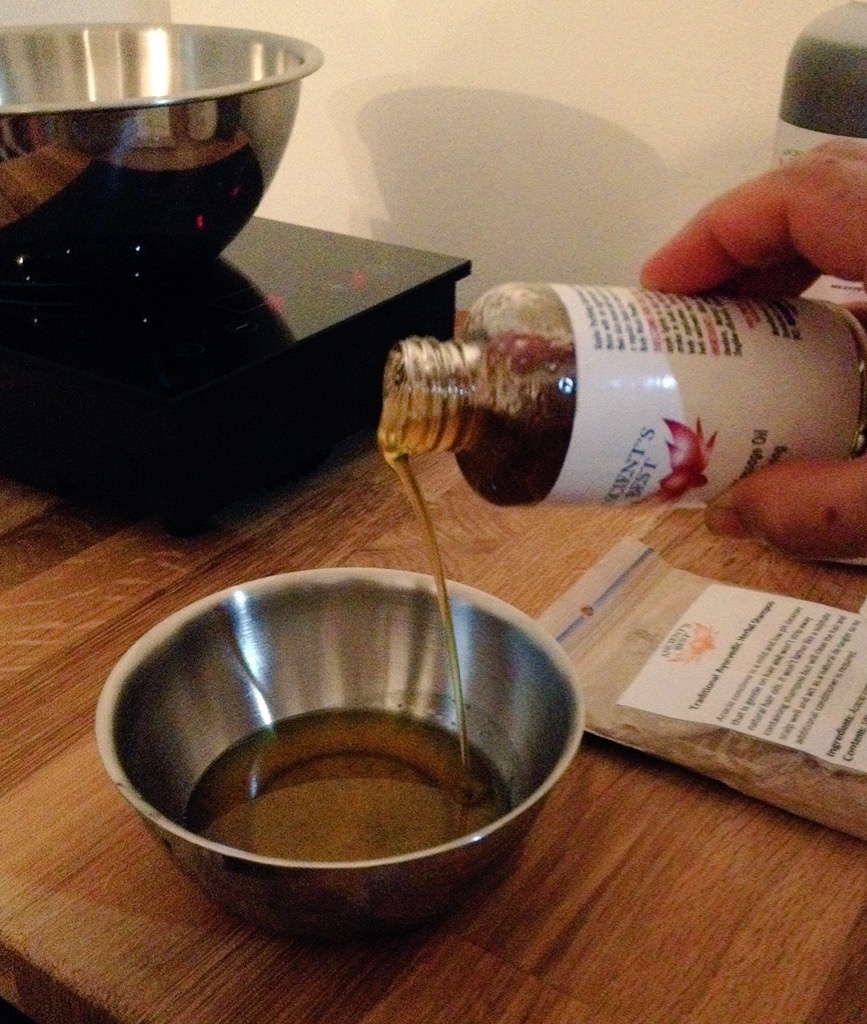
In Ayurvedic body massage, the specialized  Dosha oil (warmed), continuous strokes and techniques, full-body steam application, followed by the herbal formula wash/scrub, is an intense, dynamic and expansive experience.

Massage oils need warming before applying

IN DUBAI WE TAKE THE SAME STEPS TO MASSAGE YOU EVEN IF IT IS IN YOUR OWN HOME
1. Take a hot shower just before laying down and  we wrap you warmly to retain the heat. 
This is necessary before commencing the massage as it is understood that the toxins will benefit from the shower helps to soften and loosen the toxins, in preparation for the actual massage.
2. Specially prepared Dosha oil for the receiver is warmed and then applied to the body. This warm oil will allow for better absorption into the skin, thereby allowing the blood to carry the oil and herbs throughout the body to carry out the detoxification. The strokes and technique of massaging generates heat and also helps in the process of absorption.
3. Clients will undergo one hour of oil massages Please be aware that throughout the massage it is important not to talk but lovely soothing music is played. This allows you to fully experience the subtle effects of Ayurvedic massage. focussed on what is taking place.
4. Following the oil massge, the therapist will apply a warm herbal scrub to the body which is very invigorating – to complete the process move onto one side so the therapist can put the paste on the back. Then lie still and allow the paste to dry. This scrub exfoliates but most importantly it becomes absorbed and works as a blood purifier too. It is rich in vitamins particularly A and C and this nourishes as well
5. After this you will proceed to the steamer for a period of around 10-20 minutes (time will be determined by Dosha). It is important to drink a glass of water to replenish fluids lost during the massage and steam. Your therapist can remove your light sarong in the steamer and circulate the steam around you.. she will also massage lightly all over your body to encourage release of toxins and encourage circulation can feel sensual.
The therapist will place a small towel around your neck to help prevent release the steam, you will then leave the steamer and remain seated for a minute or two to cool down a little before getting out. Take some more water.
6. Finally on the longer treatment a second toweling massage will take places over the unclothed body…where the herbal scrub oil and moisture will all be rubbed into the skin and then excess oil and paste removed so you can get dressed.
7. You may then go home. It is advisable to rest a minimum of two to three hours as the Doshas will be fluctuating a great deal and unable to best support you during this time. We advise a a little sleep. Or some clients like to engage in a Tantra massage to continue the pleasure of the treatment.
Beautiful Massages London therapist
Greetings and Namaste before your Ayurvedic massage
 
AYURVEDA ORIGINS AND SOME OF THE SHARED BELIEFS OF TANTRA WELLNESS
 
Ayurveda is an ancient system of life (ayur) knowledge (veda) arising in India thousands of years ago. Ayurveda theory evolved from a deep understanding of creation. The great rishis of ancient India came to understand creation through deep meditation and other spiritual practices. The rishis sought to reveal the deepest truths of human physiology and health. 
 
The rishis observed the fundamentals of life, organized them into an elaborate system, and compiled India’s philosophical and spiritual texts, called Veda of knowledge. Ayurveda was first recorded in the Veda, considered the worlds oldest medical spiritual codex. The three most important Veda texts containing the original and complete knowledge of Ayurveda, believed to be over 1200 years old, is still in use today. These Ayurvedic teachings in a similar way as Tantra was done, were passed on from teacher to student for over 1000 years. 
 
The wisdom of Ayurveda is recorded in Sanskrit as Tantra was the ancient language of India that reflects the philosophy behind Ayurveda and the depth within it. 
 
Ayurveda throughly influenced health care and wellness. Year 400 AD Ayurvedic works were translated into Chinese; by 700 AD Chinese scholars were studying medicine in India at Nalanda University. Chinese medicine, was also influenced by Ayurveda and most particulary its herbal oil massages. Ayurvedic knowledge also found an brother in Budhist health. Having passed the test of experience over time with special treatments and health massages it developed into an important medicine, which we discussed with our clients in our recent class on AYURVEDA and Tantra in Dubai.

The philosophy of Ayurveda teaches a series of systems and these are shared in Tantric beliefs and practise. Ayurveda and Tantra also can be characterized by balance and disorder, health and disease. Disease/health results from the interconnectedness between the self, personality, and everything that occurs in the mental, emotional, and spiritual being. To be healthy, harmony must exist between the purpose for healing, thoughts, feelings and physical action.
 
Ayurveda also can be considered by the use of six important Indian philosophical systems, many physical/behavioral sciences, and the medical arts. One verse from an ancient authority says Ayurveda deals with what is good life and bad life, happiness and misery, that which supports or destroys, and the measurement of life. It works to heal the sick, to maintain health in the healthy, and to prevent disease in order to promote quality of life and long life. 
 
Tantra and Ayurveda consider health is defined as an experience of bliss/happiness in the soul, mind, and senses and balance of the body’s three governing principles, seven tissues, three wastes, digestion, and other processes such as immune functioning. Health is not the absence of symptoms. Ayurveda has objective ways to assess each of these, pulse assessment being the primary means. I think if you live in a city such as Dubai or London you can really appreciate the thought behind this it is actually really beneficial  to take both the ayurvedic oil massage with a Tantra ritual massage in Dubai. It’s also available sometimes as a longer ritual in Abu Dhabi.

Central to both Tantra and Ayurveda, is that life is a combination of body, mind, senses, and spirit (more than a mind-body system). Nothing exists but for the pre-existence of and working of a Supreme Intelligence/Consciousness – an elemental, all-powerful, all-pervading spirit-energy that expresses Itself through and in the creation. Ayurveda seeks to know this aspect of life, the subjective (internal) as well as the objective (outer). 

Ayurveda, Yoga and Kundalini Tantra is concept of  three energies that are are vata, pitta and kapha – signifying the dynamic or mobile, energetic, nonmaterial aspect of nature; the transformative, intelligence aspect; and the structural, physical aspect respectively. For instance Vata, governs respiration, circulation, elimination, locomotion, movement, speech, creativity, enthusiasm, and the entire nervous system. Pitta governs transformations such as digestion and metabolism, vision, complexion, body temperature, courage, cheerfulness, intellection and discrimination. Kapha governs growth (anabolic processes), lubrication, fluid secretions, binding, potency, patience, heaviness, fluid balance, compassion, and understanding in the organism. All have physical expressions in the body itself.
 
Ayurvedic oil treatments use the principles of the teaching along with ancient methods of curing the sick and those with stress and imbalances with perscriptions of herbs, specially prepared oils.. and hand to body pressure and soothing massages to increase the unblocking of negative energies. AYURVEDA as many prescriptive oil based massages that pour oil over the body and the way the rythm, the motion of the oils as they flow over skin is conducive to relaxation. This unique use of stimulation as a deeply soothing purifying way to induce peace calmness and a cleansing of the soul. AYURVEDA oils and herbal massages actually partner Tantra in symbiotic way.


NURU MASSAGE 
 
NURU MASSAGE IS A SIMPLE GEL BASE BODY TO BODY MASSAGE
The massage originates from Japan! said Miss Mary Celia who actually took instruction in NURU in Kyoto 6 years ago. It’s simply a body to body massage that was very simple to do. The novelty is the use of body slide movements and therapist wearing a bikini or swim wear. The gel used is mixed with water to a gloppy consistency!  Massage table is covered in plastic because of all the gel. It does not use a certified therapist and does n any of the effects of Tantra.. actually it’s mostly done by women of another profession! If you know my meaning! 

Really Tantra has more techniques more pleasure and more fantastic after effects.. it take a far more Training and study to do also the secret art of Tantrasamhava massage has body to body. Wet gel slippery  Massage products are sold in UK and US as fun products to use at home with your partner. That’s it. The seaweed gel is only obtained in Japan. tarA Nurue lateww.beautifulmassage.co.UK
Tantra couples retreat with nuru gel massages for a demonstration done in London.

Pl